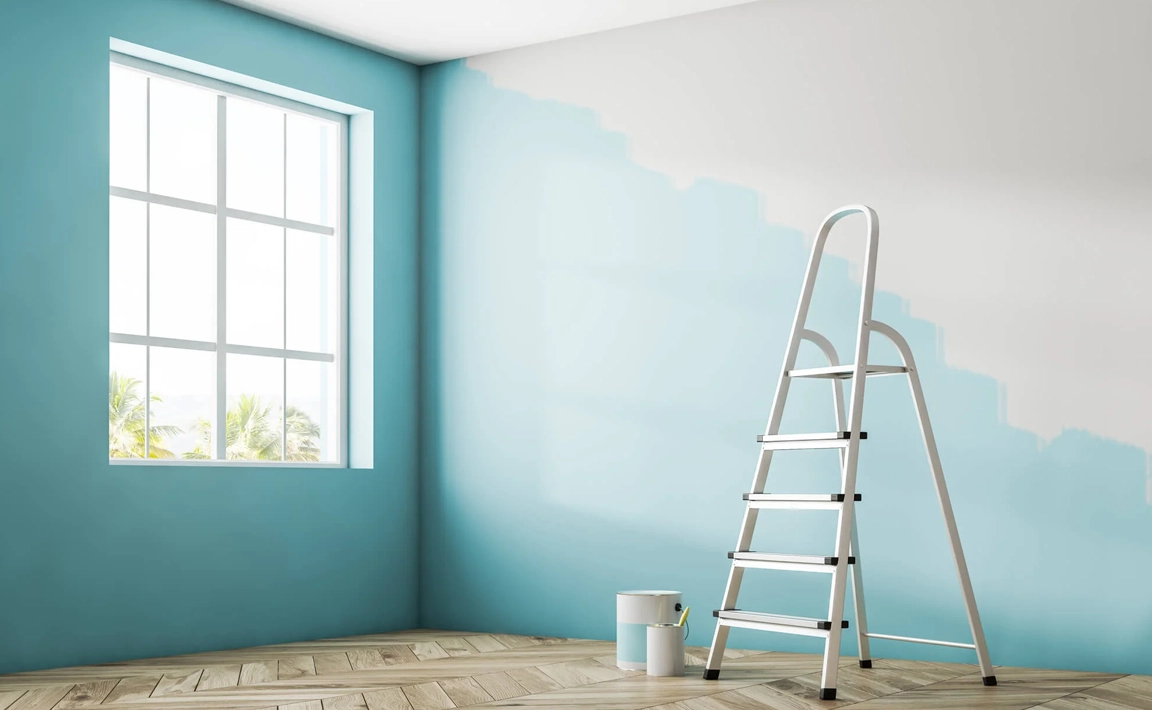
Painting can look simple until the walls show every crack, stain, bump, and uneven patch. Many homeowners choose a new color because a room feels old, but the real issue is often poor prep. Dust, peeling paint, wall damage, and rough edges can ruin the finish before the paint dries. Gibson’s Renovations LLC helps homeowners avoid those problems with professional painting services in Phoenix AZ. We check the surface, protect the room, repair damaged areas, and prepare each wall before painting. With 45+ years of experience, we know that prep is not a small step. It is the part that helps paint stick, cover well, and look clean. A good painting prep checklist keeps the job clear from the start.
Why Paint Prep Matters
Paint needs a clean, dry, and sound surface. When the surface is dirty, rough, glossy, or damaged, the finish may look uneven. However, prep helps the new paint bond to the wall and cover the surface better. Homeowners often ask how to prepare walls for painting so the room looks fresh, without streaks or patches. The clear answer is simple. Walls need cleaning, repairs, sanding, taping, floor protection, caulking, and primer when needed. Gibson’s Renovations LLC handles prep work before painting to ensure the finish lasts. A useful fact is this: paint does not hide wall problems; it often makes them easier to see. That is why prep must come before color.
Start With the Room and the Surface
A painting job should begin with the room, not the paint can. The team should look at walls, ceilings, trim, baseboards, doors, cabinets, and corners. Each surface may need a different step. For example, a bathroom wall may need more cleaning because moisture can leave marks. A busy hallway may have dents near the baseboards. A kitchen may have grease near cabinets or doors. This is where the question of what to do before painting a room becomes real. We check the room, explain the prep steps, and note any repair needs. Because Phoenix homes deal with dust and heat, surface prep should be careful and practical.
What a Good Prep Plan Includes
A strong prep plan keeps the work in order. It helps the homeowner know what will happen before paint goes on. It helps the crew avoid missed spots. It can reduce mess and protect the home.
Key prep steps may include:
- Moving small items away from walls
- Placing drop cloths on floors
- Cleaning walls, trim, and dusty corners
- Patching holes, dents, and cracks
- Sanding rough spots before paint
- Taping trim, baseboards, and edges
These are common professional painting preparation steps because each one protects the final result. With interior painting preparation, the goal is a smooth wall and clean lines. With exterior painting preparation, the goal is a sound surface that can handle weather and daily exposure.
Cleaning Comes Before Paint
Walls collect more dirt than most people notice. Hands touch door frames. Dust sits near the ceilings. Grease can build up near kitchens. Pet marks can show along lower walls—because of that, wall cleaning before painting is one of the most useful steps. Paint may not bond well to dirt, dust, or oily spots. In some rooms, cleaning may be light. In others, walls may need more care before repairs begin. A clean wall lets the painter see damage more clearly. It can reveal small dents, old patches, and stains. This step improves paint adhesion and results in a cleaner finish. We use prep to help reduce avoidable problems after the paint goes on.
Repair Wall Damage Early
Paint should not be used to hide wall damage. A hole, crack, dent, or soft spot needs to be repaired before color is applied. That is why wall repair before painting matters. However, more extensive damage may require drywall repair before painting. This is especially true when stains, bubbling, or soft areas indicate water damage. Since Gibson’s Renovations LLC handles painting and drywall repair, we can review the wall before moving the job forward. A common service situation is a homeowner who wants one room painted, yet the wall has old nail holes, corner dents, and uneven patches. Prep turns that room into a better surface before paint is applied.
Sanding, Primer, and Better Coverage
A wall can be clean and repaired, yet still feel rough. That is why sanding walls before painting is often needed. Sanding helps smooth patched areas and rough spots. However, sanding should be controlled to prevent dust from spreading. After sanding, the surface should be cleaned again. Nearby homeowners may search for a painting contractor near me when they want local help with a clear scope and steady communication.
In some cases, priming walls before painting helps the new color cover better. Primer can be useful over patched drywall, stains, strong old colors, or uneven surfaces. National 2026 guides show that professional interior painting costs can range widely, often from about $300 to $1,000 per room or $1 to $3 per square foot, depending on room size, labor, prep, trim, ceilings, and wall condition. Prep increases cost because damaged walls take longer.
Caulking and Taping Help Clean Lines
Good paint work depends on edges. Gaps around trim, baseboards, and doors can make a room look unfinished. As a result, caulking before painting can improve how lines meet. Caulk can help close small gaps where trim meets the wall. However, it should be used where it fits the surface, not as a cover for damage. Taping before painting helps protect edges and reduce messy lines. Painter’s tape can be used near trim, baseboards, doors, cabinets, and other edges. This matters in homes with many corners or tight areas. When prep is rushed, paint lines can look uneven. When prep is careful, the room looks cleaner without needing extra claims or hype.
Protecting the Home Before Work Starts
Paint prep is not only about the wall. It is about the whole room. Floors, furniture, outlets, trim, and walkways need care. Good prep should include protecting the floors before painting, because spills, splatter, and sanding dust can create extra cleanup. Drop cloths can protect flooring. Covers can protect nearby items. Dust control can help keep the work area tidy. We are known for tidy work areas, and our team treats the home with respect during the project.
Before paint goes on, the room may need:
- Drop cloths over floors
- Covers for nearby items
- Tape around trim and baseboards
- Safe paths through the work area
- Cleanup after sanding and patching
This prep helps reduce stress for the homeowner.
What Happens If Prep Is Skipped
Skipping prep can lead to visible problems. Paint may peel, bubble, streak, or look blotchy. Old stains may bleed through. Rough patches may stand out under light. These are common paint adhesion problems. Many paint peeling causes come down to moisture, dirty surfaces, poor sanding, old, weak paint, or missing primer. A fresh coat cannot fix those problems on its own. A clear fact for homeowners is this: most paint failures start before the paint is applied. That is why the prep stage matters so much. Gibson’s Renovations LLC takes time to review the wall condition before finalizing the scope. A room may need interior painting in Phoenix, AZ, when daily wear shows on walls and trim. This gives the homeowner a better chance of getting a finish that looks clean and holds up.
The Best Prep for a Smooth Finish
Homeowners often search for tips on a smooth paint finish because the final look matters. The finish depends on more than color. It depends on how the surface was cleaned, repaired, sanded, taped, and primed. The best paint prep for walls starts with the problem areas. Cracks, dents, stains, peeling spots, and glossy areas should be handled before paint is opened. A smooth finish may need patching and sanding in layers. It may need a primer over repairs. It may need dust removal between steps. We give clear estimates so the owner understands what is included. This builds trust because the homeowner knows whether prep, repair, paint, and cleanup are included in the work.
Interior and Exterior Prep Are Different
Interior and exterior painting share one rule: the surface must be ready. However, the prep steps can differ. Interior work may focus on walls, ceilings, trim, baseboards, doors, cabinets, stains, and drywall repair. Exterior work may involve more surface wear from heat, dust, and weather. Arizona homes can face strong sunlight and dry conditions, so the surfaces need careful review. For homeowners comparing painting services in Phoenix AZ, prep should be part of the service discussion.
Homeowners need a team that can explain the work clearly. That is why local service proof matters. We do not list a license number in this blog because the client has not confirmed one for public use. As expert general contractors in Phoenix, AZ, we handle painting, drywall, flooring, repairs, and remodeling. A homeowner may start with painting but still needs drywall repair, baseboard care, or trim prep.
A Simple Checklist Before Paint Goes On
A home painting checklist can help homeowners understand what should happen before the project starts. The list should match the room and wall conditions. A room with clean walls may need less prep. A room with cracks, stains, and rough patches may require more extensive repairs.
A useful checklist may include:
- Inspect walls, ceilings, trim, doors, and baseboards
- Clean dust, marks, grease, and surface dirt
- Patch holes, cracks, dents, and damaged drywall
- Sand rough or raised areas
- Caulk small trim gaps where needed
- Tape edges and protect floors
- Prime stains, patches, or strong color changes
- Review the work area before paint goes on
This helps owners compare estimates fairly.
What the Homeowner Should Expect
A good painting project should feel organized. The homeowner should know what will be moved, protected, cleaned, patched, sanded, primed, painted, and cleaned up. The estimate should explain the scope in direct terms. If wall repair is needed, it should be named before work starts. Larger projects may require residential painting services when several rooms need a clean, planned approach. If a primer is needed, the reason should be clear. If a surface is not ready, the painter should explain why.
Make the Paint Last Longer
A fresh room should not fail because the prep was rushed. Good prep helps the paint cover better, look cleaner, and last longer. It can reduce peeling, patch marks, rough spots, and uneven lines. However, every home needs its own review because surfaces change with age, use, heat, moisture, and past repairs. Gibson’s Renovations LLC provides professional painting services in Phoenix, AZ, tohelp homeowners move from wall problems to clean, planned painting. We handle prep, drywall concerns, protection, painting, and cleanup with clear communication. For local support, homeowners can call (602) 332-6694. The business can be reached at 1402 W Rockwood Dr, Phoenix, AZ 85027, or 7451 West Spur, Peoria, AZ 85383.
FAQs
What should be done before painting a room?
Before painting a room, the space should be checked, cleaned, protected, and repaired. Walls may need patching, sanding, taping, caulking, or primer. Floors and nearby items should be covered. This helps the paint bond better and gives the room a cleaner finish.
Why is wall prep important before painting?
Wall prep is important because paint shows surface problems rather than hiding them. Dust, stains, cracks, dents, and peeling areas can lead to poor coverage or rough results. Cleaning, repair, sanding, and primer help the paint stick, cover evenly, and look better after drying.
Do painters repair drywall before painting?
Painters may repair small drywall damage before painting when it is part of the project scope. Larger holes, soft spots, water stains, or uneven patches may need drywall repair before painting starts. This helps stop wall damage from showing through the new finish.
Should walls be cleaned, sanded, and primed before painting?
Walls should be cleaned when dust, marks, grease, or residue are present. Sanding helps smooth patches and rough spots. Primer may be needed over repairs, stains, strong colors, or uneven surfaces. Not every wall needs every step, but each wall should be checked.
What happens if a wall is painted without proper prep?
Paint applied without proper prep may peel, streak, bubble, or look uneven. Stains can bleed through, and rough spots can stand out under light. Poor prep can make a fresh paint job fail faster, leading to more repairs and higher costs.