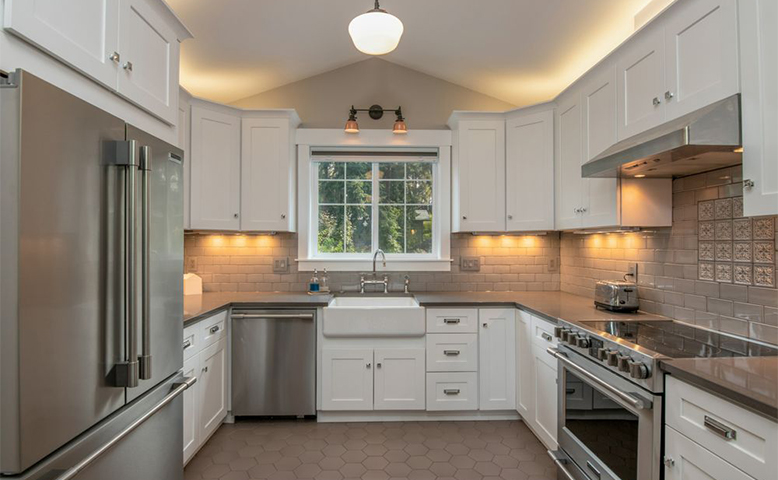
If you’re planning home remodeling, you may feel excited and uneasy. That’s normal. Your home holds memories, so the stakes feel high. However, most remodeling stress comes from a few avoidable mistakes. So, a simple game plan can save you money and sleep. And when you avoid them, you enjoy the process more today. For example, a Houzz survey found that only 36% of remodeling homeowners hit their budgets.
Below are five common mistakes in home remodeling. Then you’ll get practical tools to stay on track. You’ll protect your budget, your timeline, and your routine.
1) Mistake: Starting Without a Clear Plan
A remodel can feel easier when you “figure it out later.” But later, it often costs more. So, start with a clear goal and a clear scope. First, name the problem you want to solve. Then, describe what “done” looks like in one sentence. Next, list your must-haves and your nice-to-haves. This list keeps you steady when choices pile up.
Also, measure each space and take photos. Then keep those notes in one folder. After that, write down what stays and what goes. That step prevents surprise demo work. Plus, a written scope makes bids easier to compare.
Quick planning prompts:
- First, which rooms change?
- Next, what can’t be moved?
- Then, what safety issues come first?
- Finally, what can wait until later?
When you plan early, you avoid rework. Plus, you finish faster.
2) Mistake: Building a Budget Without a Safety Net
It’s easy to price the “pretty” parts. However, the boring costs add up. Think demo, disposal, delivery, and small repairs. Then add permits and the hidden problems behind walls. So, build a budget that expects surprises.
NAHB notes that many lenders suggest a 10% contingency fund. If you run your own job, they suggest 20%.
“Set aside a contingency fund of 10%… If you’re serving as your own GC, increase that amount to 20%.”
Also, a 2025 survey found 37% of homeowners exceeded their original budget. So, a buffer is not optional. It’s your stress shield.
To stay in control, track costs weekly. Then compare “planned” versus “spent.” Also, list your buffer as its own line.
3) Mistake: Skipping Permits and Code Basics
Permits feel slow. Still, they protect you and your home. Also, they can protect resale value later. Many areas require permits for structural, roofing, electrical, plumbing, and HVAC work.
So, check your local rules early. Call your city or county office if you feel unsure. Then add permit time to your schedule. If you skip this step, you may face stop-work orders. You may also need to open finished walls again.
Common permit triggers:
- Electrical changes, like new circuits
- Plumbing moves, like relocating a sink
- Wall changes that affect the structure
- HVAC changes, like new vents
Also, book inspections as soon as you can. Then save the permit papers with your receipts.
4) Mistake: Picking the Lowest Bid Without Checking Fit
A low number looks tempting. However, the cheapest bid can hide missing work. So, compare scopes, not totals. First, ask for line-by-line tasks. Next, confirm who manages the job daily. Then ask how change orders get priced.
Also, ask for recent references. Then call and ask, “Did the crew show up?” Clear answers reduce risk. So does clear writing.
Use this table to spot a solid bid.
| What to review | Good signs | Red flags |
| Scope | – Clear tasks – Materials listed | – Vague “all in.” – Missing cleanup |
| Timeline | – Dates + milestones – Delay plan | – “We’ll see” dates – No milestones |
| Updates | – Weekly check-ins – Written changes | – Hard to reach – Verbal-only changes |
Also, be honest about DIY. Paint can be fine. Yet wiring and plumbing mistakes can cost more later.
5) Mistake: Changing Decisions Mid-Project
Changes feel small at first. But each change can ripple through the whole plan. For example, a new tile can shift drywall work. Then it can move a plumber’s date. Next, it can delay counters. So, lock the big choices early.
Here’s the reality in one line:
“Last-minute change orders” can eat savings fast.
To reduce changes, try:
- One approved layout
- A short list of chosen finishes
- A written rule for “no more swaps.”
Also, set a “decision deadline” for each room. Then sign off on it in writing. This protects your budget. It also protects your move-in date.
When decisions stay steady, your timeline stays steady too.
6) A Real-Life Timeline That Keeps You Sane
A good timeline protects your daily life. So, plan around how you cook, sleep, and bathe. First, decide where life happens during the mess. Then phase work so that at least one bathroom works.
Two timeline moves that help.
- Add padding days. Small delays happen, even on simple jobs.
- Group dusty work. Demo and drywall create dust, so cluster them.
Also, watch for inspection gaps. These gaps can stop the next trade. So, schedule inspections early. After that, plan a final “punch list” week.
The NAR Remodeling Impact Report found a typical “Joy Score” of 8.2 after projects.
So, a calm timeline helps you reach that finish-line feeling sooner.
7) A Simple Checklist Before Anyone Swings a Hammer
Checklists prevent last-minute chaos. So, use one before demo day. Then review it again the night before work starts.
Pre-work checklist:
- First, confirm your buffer amount.
- Next, confirm permits and lead times.
- Then, order long-lead items early.
- Also, protect floors and clear walk paths.
- Next, plan a safe zone for kids and pets.
- Finally, set a weekly update time.
Also, keep every quote and receipt together. Then take “before” photos of each room. These photos help with punch lists later.
Conclusion
You don’t need perfect taste for home remodeling. You need fewer surprises. So, plan the scope before shopping. Then budget with a real buffer. Next, treat permits as part of the job. Also, choose clear scopes over cheap totals. Finally, lock decisions early to avoid costly changes. If you want expert help, Gibson’s Renovations provides home remodeling services with a focus on clear planning and steady execution.